Beyond the Mammogram: A Proactive Guide to Breast Health at Every Age
Good breast health is an important part of preventive healthcare at every stage of life. Although mammograms are an important tool for the screening of breast cancer, breast health includes more than just arranging regular imaging. It is important to understand your own breasts, to notice any changes, to talk with your healthcare provider about your risk factors, and to stay on top of the recommended screenings as a way of taking an active approach to breast care. The Bayou Bend Health System provides comprehensive healthcare services and helps patients take knowledgeable steps to preserve their health and wellness.
What is the Importance of Breast Health?
Breast health can change throughout a person's life because of age, hormones, pregnancy, breastfeeding, medications, and other health issues. If people watch for changes and keep regular medical check-ups, they will be better informed about their specific breast health needs.
Proactive breast health may include
:
• Routine wellness visits
• Recommended mammogram screenings
• Comprehending personal and family health history
• Being aware of changes in breast appearance or feel
• Discussing breast cancer risk factors with a medical provider
• Following up on unusual or concerning findings
Knowing what is normal for your body can make it easier to notice when something needs extra attention.
Breast Health in Your 20s and 30s
For young adults, breast health generally centers on raising awareness, having regular medical care, and grasping one's own level of risk. Breast tissue can change naturally because of hormonal shifts, pregnancy, and breastfeeding.
Mammograms are not usually recommended for every person in this age group, so individuals should discuss their personal and family history with their medical provider. People with certain risk factors may benefit from earlier screening or additional screenings.
Breast Health in Your 40s and Beyond
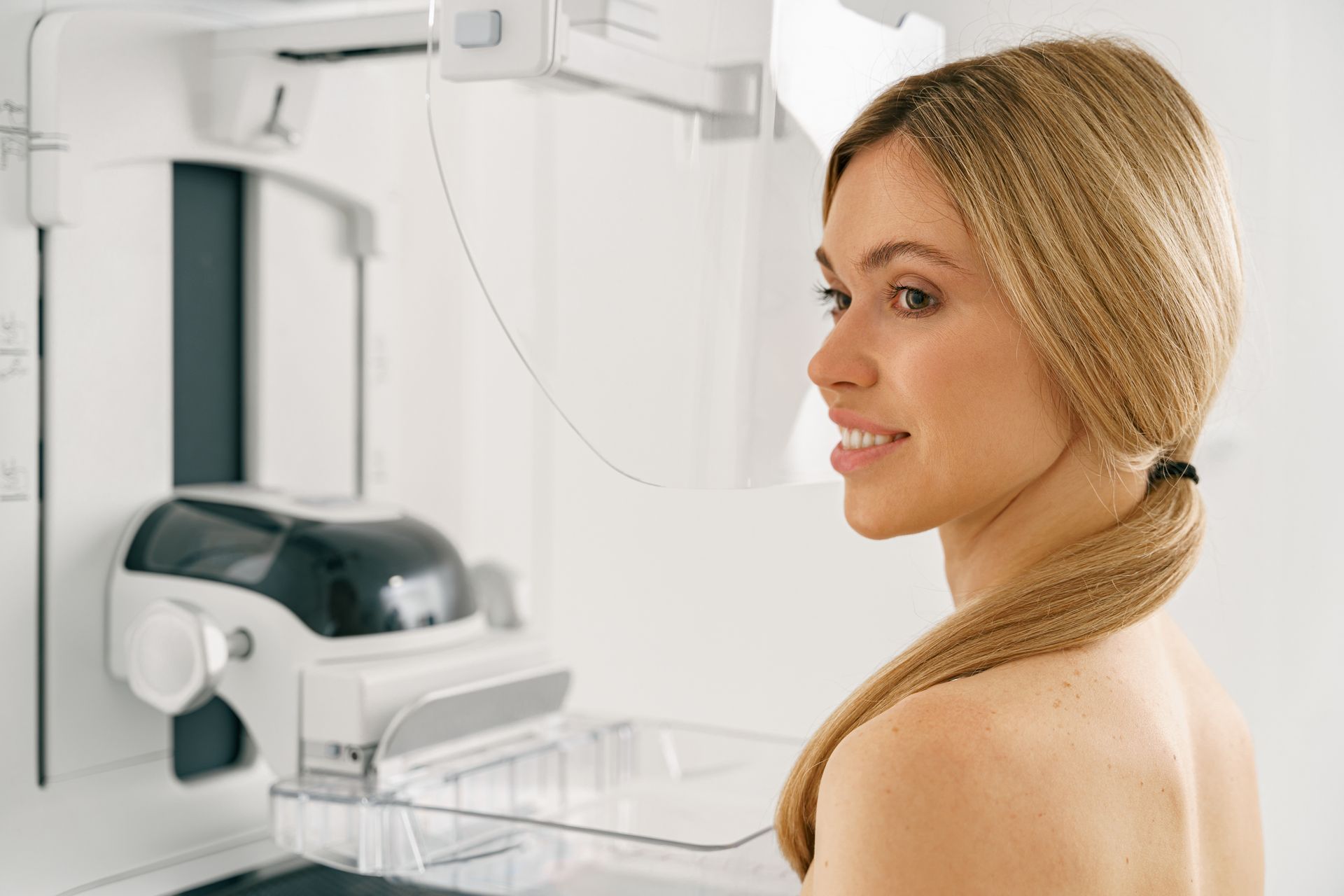
Breast cancer screening becomes more and more important as people grow older, and mammograms are capable of picking up changes in the breasts before these changes bring about noticeable symptoms.
Screening guidelines may differ according to age, individual risk factors, family history, and other considerations. Discuss with your healthcare provider when to start having mammograms and how often you should be screened.
Wellness appointments also offer the chance to talk about any changes, concerns, and other things that may have an effect on your breast health.
Know the Changes to Watch For
If you know what your breasts usually look like and how they usually feel, this will help you to detect any changes. Changes that you should discuss with a medical provider may include:
• A new lump or area of thickening
• Changes in breast size or shape
• Skin changes, such as dimpling or redness
• Changes in the nipple or nipple discharge
• Persistent breast pain or discomfort
• A newly inverted nipple
Even though many changes in the breasts are not due to cancer, it is still necessary for a medical expert to examine any unusual or persistent ones.
Take an Active Approach to Breast Health
Breast health involves more than one screening procedure. By keeping up with recommended mammograms, understanding your personal risk, knowing what is normal for you, and communicating openly with your provider, you can play an active part in caring for your health.
At Bayou Bend Health System, healthcare professionals are dedicated to providing genuine care and helping patients make informed health decisions. If you have questions about breast health, need preventive care, or it's time for a mammogram, our team is ready to help.
Make an appointment today by calling (337) 828-0760 and take an important step toward proactive breast health.