
How to Prepare for a Wide Bore MRI: Tips for Comfortable Imaging

How to Prepare for a Wide Bore MRI: Tips for Comfortable Imaging
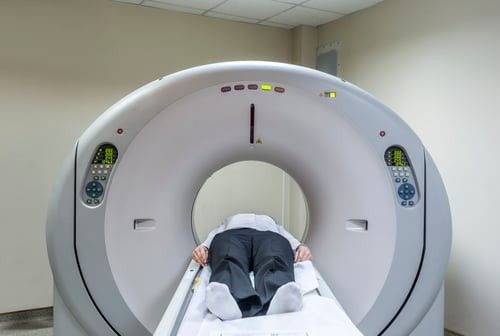
At Bayou Bend Health System, patient comfort and clarity are the top priorities of quality care. If your provider has suggested a wide-bore MRI, you might have questions about expectations and preparations. Learning the process beforehand often reduces anxiety and ensures a smooth, relaxed imaging experience.


What Is a Wide Bore MRI?


A wide-bore MRI is an advanced imaging machine that uses a larger opening than standard MRI tech. It provides a spacious interior for the scanner, making it a better option for anyone who may feel anxious, confined, or who requires additional room. Though the opening is wider, it still produces highly detailed images that help professionals diagnose a wide range of conditions to the tee.


Why Preparation Matters


Proper preparation ensures your appointment goes smoothly and makes it possible to capture the highest-quality images. Small aspects, like what you wear or your stillness, can impact the scan’s results. Taking a few precautions beforehand can significantly improve comfort and efficiency.


Tips to Prepare for Your MRI Appointment


1. Wear Comfortable, Metal-Free Clothing
Choose loose-fitting clothes without metal components like zippers or snaps. Oftentimes, you may need to change into a gown, but arriving prepared speeds up the process.

2. Remove Jewelry and Accessories
Metal items can interfere with the MRI’s magnetics. Please remove watches, jewelry, eyeglasses, hairpins, and removable dental work prior to the procedure.

3. Share Your Medical History
Inform us about any implants, medical devices, or prior surgeries. Certain devices require evaluation ahead of proceeding with the scan for safety.

4. Eat and Drink as Directed
Most MRI exams don’t require fasting, but you’ll be given specific instructions if your scan involves contrast or specific preparation. Always follow the guidance provided to you prior to your appointment.

5. Arrive Early and Ask Questions
Arriving early grants time for checking-in, paperwork completion, and speaking with your imaging team. Don’t hesitate to ask questions- understanding the process significantly eases concerns.


During the MRI: What to Expect


During your wide-bore MRI, you will lie on a padded surface that moves into the MRI device. The scanner will make rhythmic tapping or thumping sounds while images are taken. You will be given ear protection, and music may be supplied to help you remain at ease.

Remaining still is vital for clear imaging, and the care team will guide you throughout the process. The scanner's overall design helps reduce claustrophobia, allowing for a more comfortable experience overall.


Managing Anxiety or Claustrophobia


If you feel nervous about your MRI, you’re not alone. Many patients are consoled via slow, steady breathing or focusing on calming thoughts during the procedure. Let us know in advance if you have concerns - more support options are available to help you feel calm.


A Focus on Comfort and Care


With Bayou Bend Health System, we provide a patient-first approach to advanced imaging. From the moment you arrive until your scan is complete, we are dedicated to ensuring your experience is as relaxed and seamless as possible.

If you have an upcoming MRI or need to schedule imaging services, we are available to guide you every step of the way; your comfort is just as important as your care.




May 31, 2026
Respiratory infections affect people of all ages, but those with serious conditions face a higher risk of complications. Early recognition of symptoms and early medical attention can prevent serious issues. At Bayou Bend Health System , we are dedicated to providing patients with appropriate, compassionate care when they need it most. What Are Respiratory Infections? Respiratory infections affect the lungs, airways, sinuses, or throat and are usually caused by viruses or bacteria. While some resolve with rest and hydration, others may need medical or emergency care. Common respiratory infections include: Common cold Influenza (flu) Bronchitis Pneumonia COVID-19 Sinus infections Symptoms vary by infection type and severity but often include cough, congestion, sore throat, fever, fatigue, and shortness of breath. When to See Your Doctor Many respiratory infections can be assessed and treated by your primary care provider or at an urgent care clinic. Early care can reduce complications and speed recovery. You should schedule an appointment with your doctor if you experience: Symptoms lasting longer than 7–10 days Persistent fever or worsening cough Mild shortness of breath Wheezing or chest congestion Sinus pain or pressure Fatigue that interferes with daily activities Symptoms that improve and then suddenly worsen Older adults, people with asthma or COPD, and those with weakened immune systems should contact their doctor promptly if respiratory symptoms appear. At Bayou Bend Health System, our healthcare professionals offer in-depth evaluations, diagnostic testing, and specific treatment plans to support recovery and protect long-term respiratory health. Warning Signs That Require Emergency Care Some respiratory illnesses can be managed at home or with routine care, but others may become life-threatening if untreated. Recognizing emergency warning signs is essential. Seek emergency care instantly if you or a loved one experiences: Difficulty breathing or severe shortness of breath Chest pain or pressure Bluish lips or face Lack of clarity or sudden dizziness High fever that will not improve Rapid breathing or inability to speak clearly Harsh dehydration or inability to keep fluids down Symptoms of pneumonia, such as worsening cough, chest pain, and breathing difficulty These symptoms may signal a serious respiratory condition that demands immediate medical attention. Protecting Yourself From Respiratory Illness Prevention is necessary for maintaining respiratory health. Healthy habits and immediate action lower infection risk and help prevent illness from spreading. Helpful prevention tips include: Washing hands frequently Keeping current on flu and pneumonia vaccinations Avoiding close contact with sick individuals Cleaning commonly touched surfaces Consuming fluids and getting sufficient rest Handling chronic health conditions carefully Preventive measures promote respiratory health and strengthen overall wellness year-round. Compassionate Respiratory Care You Can Trust At Bayou Bend Health System , we recognize that respiratory infections can quickly alter daily life and health. Our experienced cohort is committed to delivering prompt evaluations, individualized treatment, and caring support to patients with respiratory symptoms. Whether you need routine care or immediate treatment, understanding the difference between mild symptoms and serious warning signs helps you form informed healthcare decisions. If you or a loved one has respiratory concerns, Bayou Bend Health System is here to provide trusted care at every stage.
Senior Behavioral Health: Encouraging Mental Wellness at Every Stage of Aging
April 30, 2026
Mental health and physical health are equally vital, especially as we age. During Mental Health Awareness Month, Bayou Bend Health System confirms...
Meet Bchara Janadri, MD: Expanding Pediatric Care at Bayou Bend Health System
By Bob Berendsen April 1, 2026
Bayou Bend Health System is committed to quality care, delivered by experienced providers dedicated to patients and families. We are pleased...