
The Importance of Lung Health on World Lung Day
The Importance of Lung Health on World Lung Day
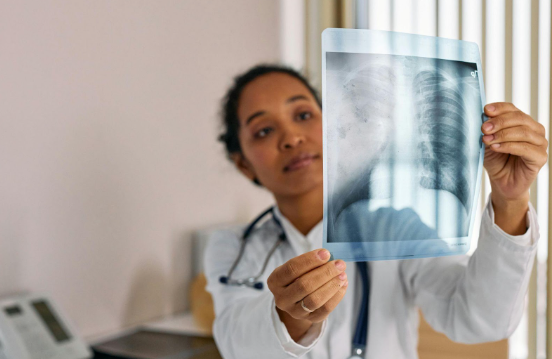
World Lung Day, observed annually on September 25, highlights the significance of lung health and the need for global action to protect and improve lung function. Our lungs are vital organs that allow us to breathe, and protecting them is important for a healthy life.
Let's explore why lung health is important and how we can take better care of our lungs.
Why Are Healthy Lungs Important?
Our lungs are the major organs of our respiratory system. They are responsible for taking in oxygen, the fuel our bodies need to function, and excreting carbon dioxide, a waste product. Healthy lungs are important for:
- Efficient Oxygenation: Healthy lungs efficiently supply oxygen to the body, supporting energy levels, cognitive function, and physical performance.
- Stronger Immune System: They are part of the body's defense system, helping to filter out harmful substances and protect against infections.
- Improved Quality of Life: Healthy lungs contribute to a better quality of life by preventing respiratory issues that can limit activities and cause discomfort.
The Burden of Lung Disease
Lung diseases are a significant global health concern. According to the World Health Organization (WHO), respiratory infections are the fourth leading cause of death worldwide. Lung diseases, including chronic obstructive pulmonary disease (COPD), asthma, and lung cancer, claim millions of lives each year.
Some of the most common lung diseases include:
Chronic Obstructive Pulmonary Disease (COPD)
COPD includes emphysema and chronic bronchitis that cause airflow blockage and breathing-related problems. Smoking is the leading cause of COPD. The symptoms are shortness of breath, chronic cough, and frequent respiratory infections. Quitting smoking, medication, and pulmonary rehabilitation can help manage COPD.
Asthma
Asthma is a chronic condition characterized by inflamed airways, which can cause difficulty breathing, wheezing, and coughing. Triggers include allergens, pollution, and stress. Managing asthma involves avoiding triggers, using prescribed medications, and monitoring lung function.
Lung Cancer
Lung cancer is one of the most common cancers worldwide and can develop due to smoking and exposure to radon gas, asbestos, and other pollutants. Symptoms include persistent coughing, chest pain, and unexplained weight loss. Early detection through screening and treatment options like surgery, chemotherapy, and radiation therapy can improve survival rates.
Pulmonary Fibrosis
Pulmonary fibrosis involves the scarring of lung tissue, leading to difficulty in breathing. The cause is often unknown, but it can result from long-term exposure to harmful substances or infections. Symptoms start with shortness of breath, dry cough, and fatigue, and the treatment focuses on managing symptoms and slowing disease progression.
Factors Affecting Lung Health
Various factors can impact lung health, including:
- Air Pollution: Exposure to polluted air can damage lung tissue and increase the risk of respiratory problems.
- Tobacco Smoke: Smoking is a major cause of lung disease, including lung cancer, COPD, and emphysema.
- Occupational Hazards: Certain occupations involve exposure to harmful substances or dust, which can damage the lungs.
- Indoor Air Quality: Poor indoor air quality, caused by factors like mold, chemicals, and dust mites, can irritate the lungs.
- Genetics: Some people may have a genetic predisposition to lung diseases.
Preventive Measures for Lung Health
Maintaining lung health requires proactive steps and lifestyle changes. Here are some key measures to protect your lungs:
Avoid Smoking
Quitting smoking greatly reduces the risk of developing lung cancer, COPD, and other respiratory issues. Even secondhand smoke can be harmful, so avoid exposure to it as much as possible.
Minimize Exposure to Pollutants
Air pollution is one of the major concerns that can damage the lungs. Use air purifiers at home, avoid areas with high pollution levels, and opt for proper ventilation in living spaces. Be cautious of occupational hazards if your job involves exposure to dust, chemicals, or fumes.
Regular Exercise
Physical activity improves lung function and overall health. Activities like walking, swimming, and cycling improve lung capacity and efficiency. You must aim for at least 30 minutes of moderate exercise most days of the week.
Maintain a Healthy Diet
A balanced diet of fruits, vegetables, and whole grains supports lung health. Antioxidants found in these foods help protect lung tissue from damage. Staying hydrated also keeps the mucosal linings in the lungs thin, aiding in better function.
Protecting Lung Health
Our daily habits have a profound impact on lung health. Making positive lifestyle choices like these can reduce the risk of lung disease and improve overall well-being:
Avoiding Harmful Substances
Besides smoking, other substances, like recreational drugs and certain chemicals, can harm the lungs. Avoiding these substances helps maintain healthy lungs. Be mindful of the products you use at home and in your workplace.
Managing Stress
Stress can exacerbate respiratory conditions like asthma. Practicing stress management techniques such as meditation, yoga, and deep breathing exercises can improve lung function and overall health.
Getting Regular Check-Ups
Regular medical check-ups help in the early detection of lung issues. Pulmonary function tests and imaging studies can identify problems before they become severe. Discuss any symptoms, such as a persistent cough or shortness of breath, with your healthcare provider promptly.
The Role of Vaccinations
Vaccinations help prevent respiratory infections that can compromise lung health. Vaccines for influenza, pneumonia, and pertussis (whooping cough) are particularly important. These infections can be severe and even life-threatening, especially for those with existing lung conditions.
The Role of Green Spaces
Access to green spaces and nature is important for lung health. Trees and plants act as natural air filters, trapping pollutants and producing oxygen, thereby improving the quality of the air. This cleaner, oxygen-rich air reduces strain on the lungs and improves respiratory efficiency.
Green spaces also encourage physical activity, which helps maintain healthy lungs. Activities like walking, jogging, and cycling in natural environments boost lung capacity and reduce stress and anxiety. Natural environments provide a peaceful and rejuvenating escape from the hustle and bustle of urban life. The sounds of birds, rustling leaves, and flowing water create a soothing atmosphere that promotes relaxation and mental well-being.
This connection with nature can improve
respiratory health by reducing the frequency and severity of stress-related respiratory issues. Lower stress levels contribute to better management of chronic lung conditions like asthma.
Urban planning that integrates parks, gardens, and tree-lined streets can also improve community health. Well-designed green spaces promote outdoor activities, social interaction, and a sense of well-being. Municipal policies and community initiatives can support the creation and maintenance of these vital areas so that all residents have access to their benefits.
Community involvement, such as tree planting campaigns and park clean-up events, is important for sustaining green spaces. Schools and organizations can educate people on the importance of nature for lung health by encouraging outdoor engagement.
Raising Awareness and Advocacy
World Lung Day is an opportunity to raise awareness about lung health. Educating the public about the importance of lung health, advocating for cleaner air, and supporting lung health research are integral steps. Organizations and individuals can participate in campaigns, fundraisers, and educational programs to make a difference.
At
Bayou Bend Health System, your lung health is our priority. Schedule your comprehensive lung screening today and take the first step towards a healthier future. Our dedicated team of specialists is here to provide personalized care and support for all your respiratory needs.
Contact us today to schedule an appointment.