
Outpatient Surgery: Quick Procedures with Home Recovery
Outpatient Surgery: Quick Procedures with Home Recovery
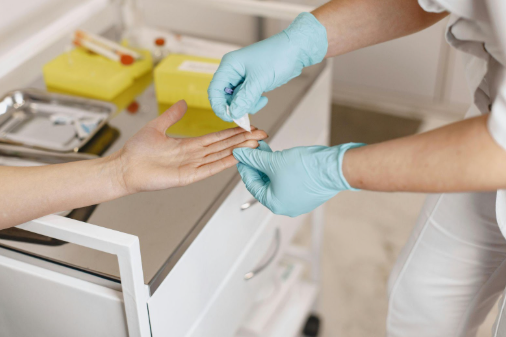
Surgery can be stressful. The thought of long hospital stays and delayed recovery often worries patients. Today, many procedures no longer require overnight hospitalization. Outpatient surgery offers a faster, safer, and more convenient option. Patients can return home the same day and continue their recovery in a familiar environment. This approach combines modern medical techniques with careful planning to reduce risks and speed healing.
Let’s explore outpatient surgery: how it works; its benefits; what to expect before, during, and after the procedure; and tips for a smooth recovery at home.
What Is Outpatient Surgery?
Outpatient surgery, also called same-day surgery or ambulatory surgery, allows patients to undergo procedures without staying overnight in a hospital. These surgeries are typically less complex and carry a lower risk. Hospitals and surgical centers have advanced technology and trained staff to make these procedures safe and efficient.
Doctors select patients based on overall health and the type of surgery. Common outpatient surgeries include minor orthopedic procedures, cataract removal, hernia repair, endoscopy, and minor plastic surgeries. Even some more complex procedures, such as certain laparoscopic surgeries, can be performed on an outpatient basis.
The main goal of outpatient surgery is to complete the procedure safely while allowing the patient to recover at home. Patients leave the facility within hours, usually after the effects of anesthesia start to wear off and vital signs are stable.
Preparing for Outpatient Surgery
Preparation plays a critical role in a successful outpatient procedure. Before surgery, patients attend a consultation where the doctor reviews their medical history, medications, and any allergies. Tests, such as blood work or imaging, may be required depending on the surgery. These steps help doctors plan a safe procedure and prevent complications.
Patients receive instructions regarding fasting, medications, and what to bring to the surgical center. Clear guidelines about what to do before surgery help reduce the risk of complications and improve recovery. A support system is also necessary; patients usually need someone to drive them home and stay with them for the first few hours after surgery.
Mental preparation is equally important. Knowing the steps of the procedure, recovery expectations, and post-surgery limitations helps reduce anxiety. Surgeons and nurses provide guidance, answer questions, and discuss potential side effects. Following these instructions carefully contributes to a smooth experience.
The Day of Surgery
On the day of surgery, patients arrive at the outpatient center or hospital at a scheduled time. Staff complete registration, take vital signs, and confirm the procedure. Nurses prepare the patient, including changing into a surgical gown and starting an intravenous line if needed.
Anesthesia is administered depending on the type of surgery. Some procedures require local anesthesia, while others may use sedation or general anesthesia. Modern techniques allow anesthesia to be administered safely with rapid recovery, which is why patients can leave the same day.
The surgical team performs the procedure in a controlled, sterile environment. Staff monitor patients continuously to maintain safety. Surgical time varies depending on the procedure, but most outpatient surgeries are shorter than their inpatient counterparts. After surgery, patients move to a recovery area to be monitored until stable.
Recovery at the Facility
After surgery, recovery begins immediately. Nurses monitor vital signs, manage pain, and check for early signs of complications. This observation period may last from 30 minutes to a few hours, depending on the procedure and the patient’s response.
Patients are encouraged to start gentle movements, such as walking short distances, to prevent stiffness and support circulation. Instructions about activity, diet, and medication are provided before discharge. Clear communication at this stage helps patients continue recovery safely at home.
Before leaving, the medical team ensures that patients understand warning signs that require medical attention. These may include unusual pain, swelling, bleeding, or fever. Patients receive a written summary of their surgery, medication schedule, and follow-up appointments.
Recovery at Home
Recovering at home is one of the main advantages of outpatient surgery. Patients benefit from comfort, familiar surroundings, and the support of family or caregivers. Home recovery also reduces exposure to hospital-acquired infections.
During recovery, rest is important. Light activity, gradual movement, and following medication instructions help the body heal. Pain and discomfort are normal, but doctors provide strategies to manage them safely. Ice packs, compression, or elevation may be recommended depending on the type of surgery.
Nutrition and hydration play a role in recovery. Eating a balanced diet and drinking enough fluids supports tissue repair and overall health. Patients are advised to avoid heavy lifting or strenuous activity until cleared by their surgeon. Following post-surgery guidelines helps prevent setbacks and supports faster healing.
Risks and Safety Measures
While outpatient surgery is generally safe, like all procedures, it carries some risks. Common risks include infection, bleeding, or reactions to anesthesia. The selection of appropriate patients and careful monitoring reduces these risks significantly.
Patients should report any unusual symptoms immediately. Clear communication between the surgical team and the patient is crucial for managing complications early. Outpatient centers are equipped to handle emergencies and have protocols in place for patient safety.
Surgeons evaluate the patient’s overall health before recommending outpatient surgery. Chronic conditions, such as heart disease, diabetes, or respiratory issues, may require special considerations. Following pre-surgery instructions and attending all follow-up appointments further reduces risks.
Advantages of Outpatient Surgery
Outpatient surgery offers several advantages for patients. Reduced time in a medical facility lowers stress and discomfort. Patients can return to their own beds, follow their usual routines, and receive personal support from family. Recovery at home can improve mental well-being and confidence.
Cost is another important factor. Outpatient procedures generally cost less than inpatient surgeries because overnight hospital stays and extended facility use are avoided. Insurance often covers these procedures, making them an accessible option for many patients.
Medical advances also contribute to the popularity of outpatient surgery. Minimally invasive techniques, improved anesthesia, and faster recovery protocols make same-day surgery safe and effective. Patients can resume normal activities more quickly while maintaining high standards of care.
Planning for Follow-Up
Follow-up care is a key part of outpatient surgery. Doctors schedule appointments to monitor healing, remove stitches if needed, and review recovery progress. These visits allow the surgical team to address concerns, adjust medication, and guide activity levels.
Patients should maintain communication with their healthcare provider and report any unexpected symptoms. Planning for follow-up visits, organizing support at home, and preparing for a gradual return to work or daily routines helps recovery go smoothly.
Preparing for Future Procedures
For patients who may need multiple procedures, outpatient surgery offers a model for safe, convenient care. Clear planning, preparation, and adherence to recovery instructions reduce stress for future treatments. Many patients find that understanding the outpatient process improves confidence and readiness for any procedure.
Learning from the experience also helps patients manage pain, follow activity restrictions, and maintain a healthy recovery environment. This knowledge supports long-term health and makes future procedures easier to handle.
Final Thoughts
Outpatient surgery combines modern medicine, careful planning, and home recovery to provide a safe and efficient option for patients. Same-day procedures reduce hospital time, lower costs, and allow patients to recover in familiar surroundings. With proper preparation, attention to instructions, and follow-up care, patients can achieve a smooth recovery and return to normal life quickly. Outpatient surgery represents a practical, patient-focused approach to healthcare, making it possible to heal safely while enjoying the comfort of home.
Schedule your outpatient procedure with
Bayou Bend Health System today and experience fast, safe, and comfortable care—recover at home with expert guidance every step of the way.